Growing Push to Limit “Non-Nutritious” Purchases
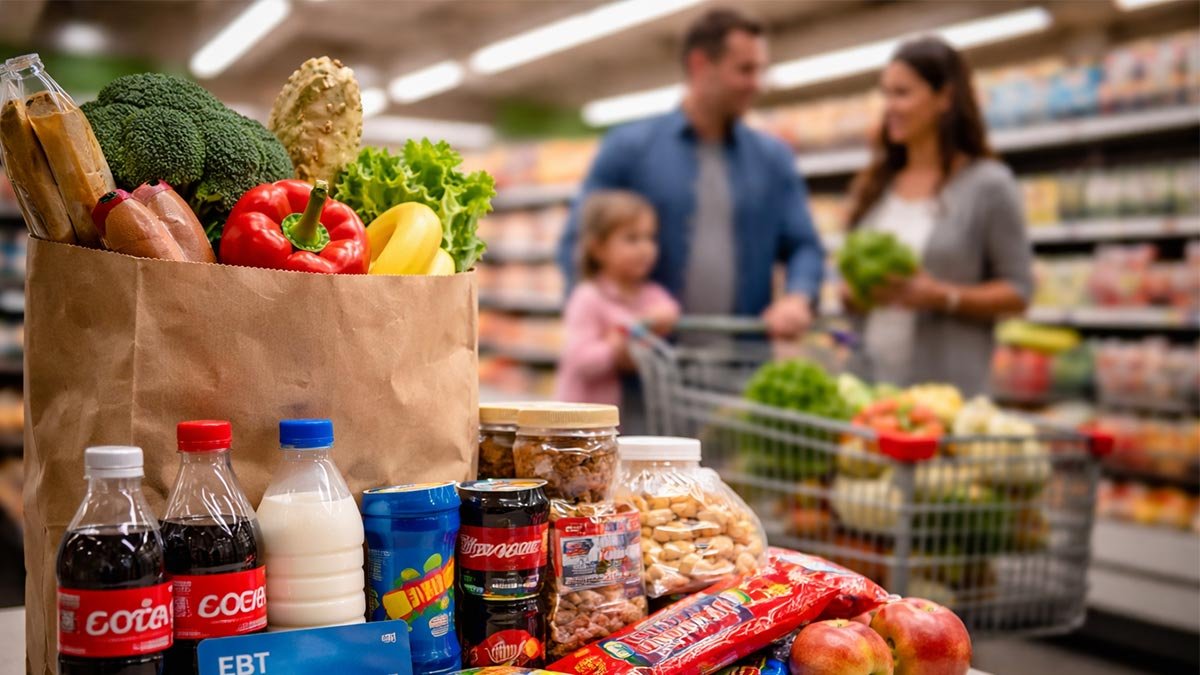
Efforts to tighten rules around what can be purchased through the Supplemental Nutrition Assistance Program are gaining momentum across the United States. In 2026, several states are moving forward with new restrictions that limit the use of SNAP benefits for items such as sugary drinks, candy, and other products considered low in nutritional value.
The United States Department of Agriculture (USDA), through its Food and Nutrition Service, has approved waivers allowing states to implement these restrictions. These waivers give states more flexibility in shaping how SNAP benefits can be used within their jurisdictions.
- → I Had to Return to Work After Retiring: 3 Financial Lessons Every Retiree Should Know in 2026
- → The Worst Age to Claim Social Security if You Want to Maximize Lifetime Income
- → Form 1040 for U.S. Expats: A Complete 2026 Guide to Filing, Requirements, and Paying Zero Tax
- → U.S. Person for Tax Purposes: A Complete Guide for American Expats in 2026
- → 10 Smart Financial Benefits Seniors Born Between 1941–1969 Can Use in 2026
- → 7 Reasons Social Security Payments Can Stop in 2026 — Even If You Qualify
- → SSI and Social Security Payments in April 2026: Full Schedule, Tax Rules, and Key Updates
Understanding SNAP and Its Role
The Supplemental Nutrition Assistance Program, commonly known as SNAP, provides monthly financial assistance to low-income individuals and families to help them purchase groceries. Benefits are distributed via an electronic card, similar to a debit card, which can be used at approved retailers.
Even before these new changes, SNAP already prohibited spending on certain items nationwide, including alcohol, tobacco, vitamins, medications, and non-food household goods. Hot prepared foods are also generally excluded.
New Restrictions Taking Effect in April 2026
Four states are set to enforce new SNAP purchase limitations starting in April 2026. These include Colorado, Florida, Texas, and West Virginia.
Each state is taking a slightly different approach. Colorado and West Virginia will prohibit SNAP recipients from purchasing soda and other soft drinks using their benefits. Florida is introducing broader restrictions, extending the ban to include energy drinks, candy, and prepared desserts. Texas is implementing one of the strictest policies, disallowing purchases of candy and any beverages containing more than five grams of added sugar or artificial sweeteners.
These measures are part of a wider national trend, with a total of 22 states either enforcing or planning similar restrictions on items categorized as “non-nutritious.”
Additional States Planning Future Changes
Other states, including Kansas, Nevada, Ohio, and Wyoming, have recently approved similar policies. However, their implementation timelines extend several months or even years into the future.
Meanwhile, Virginia has delayed its rollout. Initially expected to enforce new restrictions in April 2026, the state has postponed implementation until October, according to federal officials. West Virginia had also planned an earlier start date of January 1, 2026, but has allowed retailers until April 1 to fully comply.
Government Perspective: Promoting Healthier Choices
Supporters of these changes argue that restricting certain purchases can encourage healthier eating habits, particularly among children and vulnerable populations. USDA Secretary Brooke Rollins stated that the waivers empower states to take the lead in improving public health and reducing the consumption of highly processed foods.
The broader initiative aligns with ongoing efforts to address rising obesity rates and diet-related health conditions across the country.
Criticism and Concerns About Equity
Despite the stated goals, the policy shift has sparked criticism from advocacy groups and anti-hunger organizations. Critics argue that these restrictions unfairly target low-income individuals while leaving broader dietary habits in the general population unaddressed.
Chris Bernard has voiced concerns that such policies may stigmatize SNAP recipients. He suggests that limiting food choices for one group does little to solve larger public health issues and instead singles out those already facing financial hardship.
SNAP’s Reach Across the United States
SNAP remains one of the largest federal assistance programs, supporting roughly one in eight Americans in affording groceries. As policymakers continue to debate its scope and structure, changes like these highlight the tension between promoting public health and preserving personal choice.
Conclusion
The introduction of new SNAP purchase restrictions in April 2026 marks a significant shift in how states approach food assistance programs. While proponents see these measures as a step toward healthier communities, critics warn of unintended consequences, including stigma and reduced autonomy for recipients. As more states consider similar policies, the national conversation around nutrition, public health, and economic fairness is likely to intensify.
FAQs
What items are newly restricted under SNAP in April 2026?
Depending on the state, restrictions may include soda, candy, energy drinks, and other sweetened or highly processed foods.
Which states are implementing these changes first?
Colorado, Florida, Texas, and West Virginia are introducing new rules starting in April 2026.
Why are these restrictions being introduced?
The goal is to encourage healthier food choices and reduce consumption of sugary and processed items.
Are these rules the same across all states?
No, each state has its own specific restrictions based on approved waivers.
What items are already banned nationwide under SNAP?
Alcohol, tobacco, non-food items, vitamins, medications, and hot prepared foods cannot be purchased with SNAP benefits.