
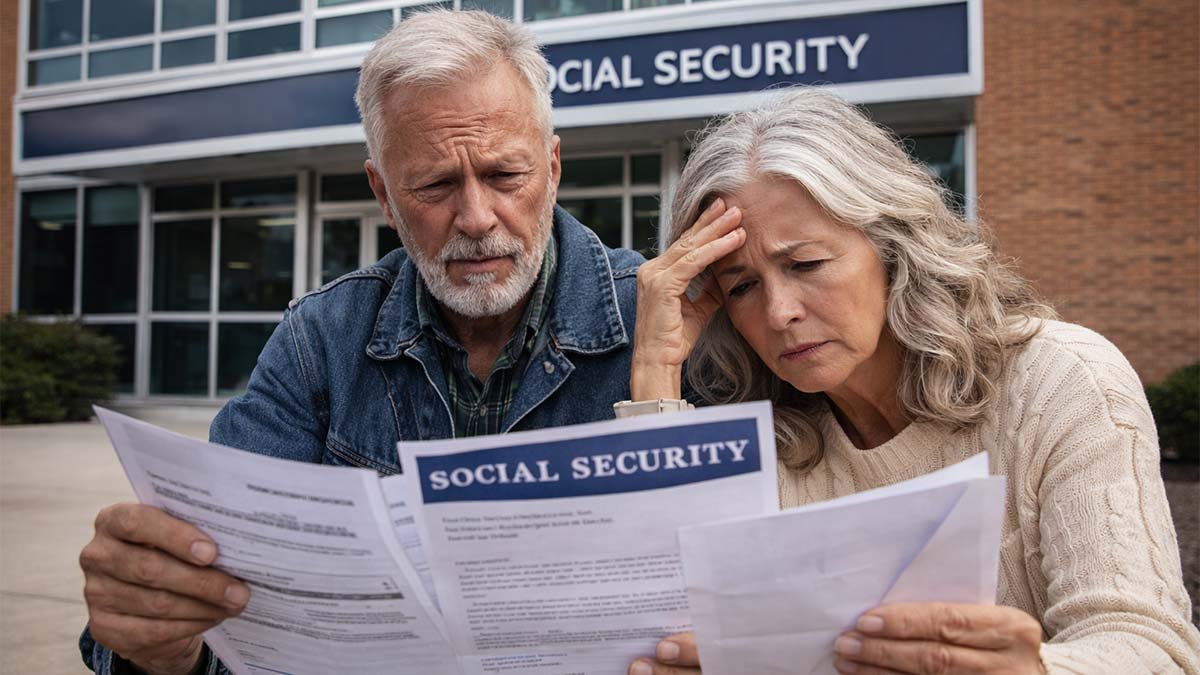
For millions of retirees, Social Security is a dependable source of monthly income. Once approved, many assume payments will continue uninterrupted for life. While that is often the case, there are several situations where benefits can be reduced, paused, or temporarily withheld—even when you remain eligible.
Being aware of these scenarios can help you avoid unexpected disruptions and protect your financial stability during retirement.
Working Before Full Retirement Age Can Reduce Payments
If you begin collecting Social Security before reaching your full retirement age (FRA) and continue working, your earnings may affect your benefits.
2026 Earnings Limits
In 2026, individuals below FRA for the entire year can earn up to $24,480. If earnings exceed this limit, $1 is withheld for every $2 earned above the threshold.
In the year you reach FRA, the higher limit of $65,160 applies. For income above this amount, $1 is withheld for every $3 earned. Once you reach FRA, these restrictions are removed, and your benefit is recalculated to account for previously withheld amounts.
Outstanding Debts Can Lead to Garnishment
Although Social Security is generally protected from private creditors, certain debts can still reduce your payments.
Common Causes of Withholding
- Child support or alimony obligations
- Unpaid federal taxes
- Defaulted federal student loans
These deductions are processed through federal programs, meaning your monthly payment may arrive lower than expected until the debt is resolved.
Incarceration Can Suspend Benefits
If you are incarcerated for more than 30 consecutive days following a conviction, your Social Security benefits will be suspended.
Payments typically stop after the first full month of incarceration and can resume once you are released and your eligibility is confirmed. Family members receiving benefits based on your record may continue to receive payments if they remain eligible.
Failure to Report Life Changes
The Social Security Administration requires beneficiaries to report significant life changes. Failing to do so can result in temporary payment interruptions.
Changes That Must Be Reported
- Change of address or bank account
- Marriage or divorce
- Employment or income changes
For those living abroad, failing to submit required “proof of life” documentation can also trigger a suspension until verification is completed.
Living in Restricted Countries
While Social Security benefits can usually be paid internationally, there are exceptions. Payments are restricted in certain countries due to U.S. Treasury regulations.
Countries such as Cuba and North Korea are on this restricted list. If you move to one of these locations, your payments will be withheld until you relocate to an eligible country.
Overpayments and Administrative Errors
If the Social Security Administration determines that you were overpaid—whether due to a reporting delay, calculation issue, or system error—it may reduce or pause future payments to recover the excess amount.
You will receive a notice explaining the situation, including your options to appeal or request a waiver if repayment would cause financial hardship. Acting quickly can help minimize disruptions.
Banking or Delivery Issues
Sometimes, payment interruptions occur due to simple administrative problems.
Common Issues
- Closed or incorrect bank account details
- Changed routing numbers
- Undeliverable mail
In such cases, payments may be temporarily suspended until your information is updated. Keeping your details current is one of the easiest ways to avoid unnecessary delays.
What to Do If Your Social Security Payments Stop
If your payments are suddenly interrupted, the most important step is to stay calm and investigate the cause.
Start by logging into your Social Security account to review notifications and payment history. Many issues, such as withheld payments due to earnings or overpayments, are clearly explained there.
If needed, contact the Social Security Administration directly or visit a local office with supporting documents such as pay records, legal notices, or identification. Most issues can be resolved quickly once the correct information is provided.
Conclusion
While Social Security is designed to provide reliable income, interruptions can occur under specific circumstances. Whether due to earnings limits, administrative issues, or legal obligations, these disruptions are usually temporary and manageable.
- → I Had to Return to Work After Retiring: 3 Financial Lessons Every Retiree Should Know in 2026
- → The Worst Age to Claim Social Security if You Want to Maximize Lifetime Income
- → Form 1040 for U.S. Expats: A Complete 2026 Guide to Filing, Requirements, and Paying Zero Tax
- → U.S. Person for Tax Purposes: A Complete Guide for American Expats in 2026
- → 10 Smart Financial Benefits Seniors Born Between 1941–1969 Can Use in 2026
- → SSI and Social Security Payments in April 2026: Full Schedule, Tax Rules, and Key Updates
- → Missing Your SSA-1099 in 2026? Why This Social Security Tax Form Is Crucial Before April 15
Staying proactive is the best way to protect your benefits. Keep your records updated, report changes promptly, and monitor your account regularly. With the right approach, you can ensure your payments continue smoothly and avoid unnecessary financial stress during retirement.
FAQs
Can Social Security payments stop permanently
In most cases, interruptions are temporary and can be resolved once the issue is addressed.
Does working affect Social Security benefits
Yes, if you are below full retirement age and exceed income limits, some benefits may be withheld.
Can debts reduce my Social Security payments
Yes, certain debts like child support or federal taxes can lead to garnishment.
What happens if I move abroad
Payments usually continue, but they may be restricted in certain countries.
How can I restart stopped payments
Contact the Social Security Administration, provide required documents, and resolve the issue causing the interruption.